



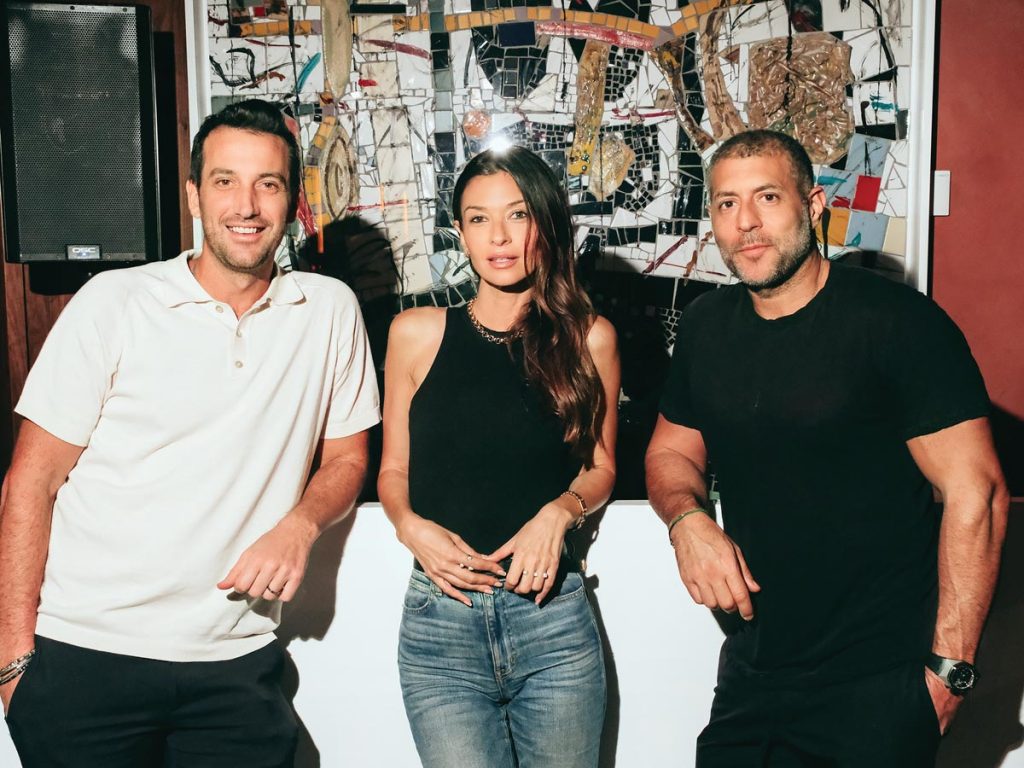
It used to take a well-placed text or uncomfortable favor to land a table at the buzziest restaurant. Now there’s an app doing exactly that. Dorsia, a Miami-based, membership-driven platform founded by CEO Marc Lotenberg, is reshaping how users secure high-demand reservations and hard-to-access experiences, both locally and globally. Part concierge, part connector, Dorsia opens access to everything from booked-out dinners to events that typically operate within closed networks. While the platform spans international destinations, its presence in Miami offers a clear look at how it works.
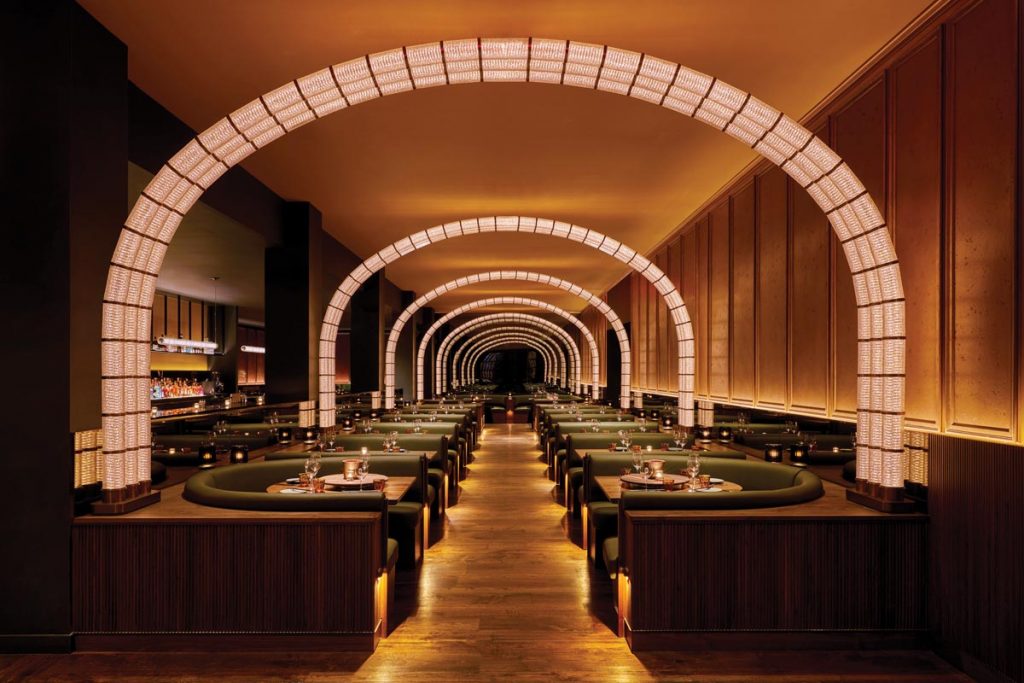
Getting the “Impossible” Table
At its core, Dorsia addresses a familiar challenge: how to book restaurants that appear fully committed. In Miami, where demand often outpaces availability, the app offers reservations through direct relationships with hospitality groups and operators. The lineup includes newer arrivals like Seia, Mamo Miami, and Yasu Omakase, alongside established names such as Carbone, Cote Miami, The Joyce, and Mila. In places like New York City, expect the likes of Coqodaq and Theodora.
A Global Calendar with Built-In Access
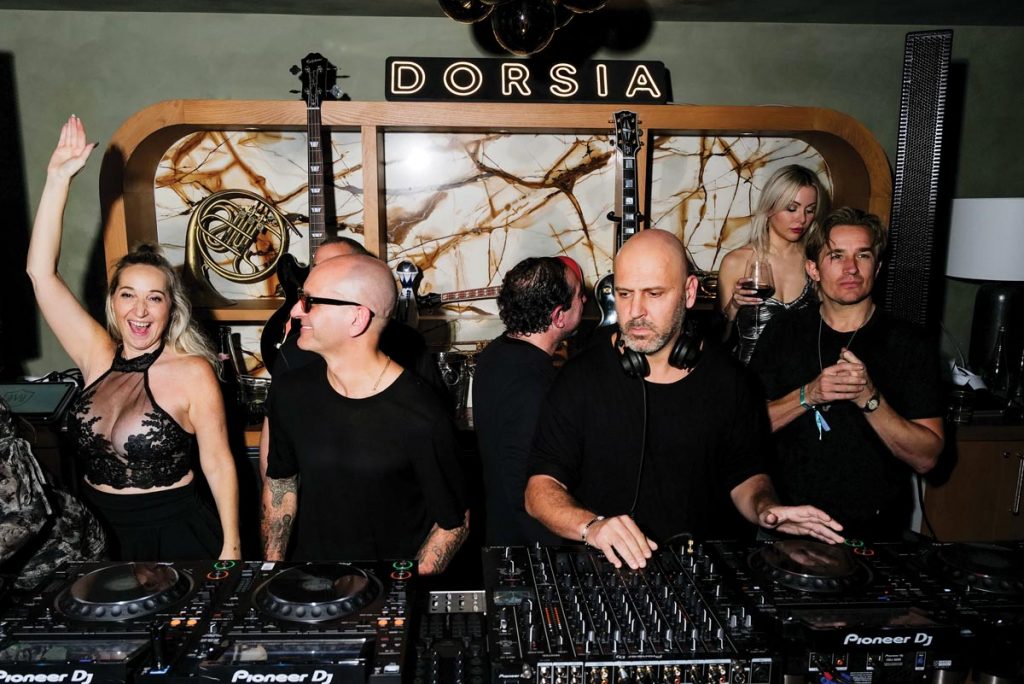
Where Dorsia is most visible is in its ability to secure entry even when events are officially sold out. During Coachella 2026, members could book access to after-parties, private dining experiences such as Nobu Omakase at the Red Bull Mirage, and viewing suites overlooking the festival grounds. The same structure applies across fashion weeks, art fairs, and music festivals worldwide.
This access is organized through Dorsia’s Cultural Calendar (aka “Moments” on the app), which functions as both a listing and booking tool in major cultural markets. In Miami, that includes high-profile events during Art Basel and Miami Music Week, when members can access a range of programming, from private dinners and after-parties to events like last year’s Sol a Sol Art Basel finale at The Moore, a Dorsia member-exclusive event featuring international DJs. Earlier this year, the platform also facilitated restaurant collaborations such as The Joyce x Aoko and Fooq’s x Theodora, bringing members together through limited-run dining experiences. Similar programming appears across other global destinations.
Membership Explained
Dorsia operates on a tiered membership model, starting at $200 annually for basic and scaling to $5,000 and $25,000 for Premium and Premium Plus, respectively. While the price points may raise eyebrows, frequent users often treat it as a reallocation of existing dining and entertainment budgets. Each tier comes with increasing access, including priority reservations, preferred pricing on events, and early entry to newly released experiences. In addition, the upper tiers include “Fun Coupons (FC)” a form of in-app currency in such high denominations that it nearly offsets membership costs entirely (read: Premium members will get nearly $5,000 in FC throughout the year). Note that prospective members are vetted, with acceptance based on network and alignment with the platform’s hospitality partners.

Simple But Structured
The app itself is designed to be functional rather than complex. Users can search by city, date, party size, cuisine, and neighborhood, then book restaurants, nightlife, or events directly. All reservations require a prepaid minimum spend, which is applied to the final bill. Unused amounts are not refunded. The structure favors users who plan ahead and are comfortable committing to a set spend, particularly in markets where last-minute availability is limited.

A Platform Expanding in Real Time
Dorsia’s footprint continues to grow—with 25 markets as of press time—and Miami is one of its most active hubs. In addition to a strong local restaurant base, the platform expanded into nearby Palm Beach and Orlando in 2026, while maintaining a presence in cities like New York, London, and Los Angeles. Seasonal destinations include Ibiza, St. Tropez, and the Hamptons in summer, and St. Barths, Aspen, and Courchevel in winter, creating a rotating list of bookable destinations that mirrors how its members move throughout the year.









Facebook Comments