


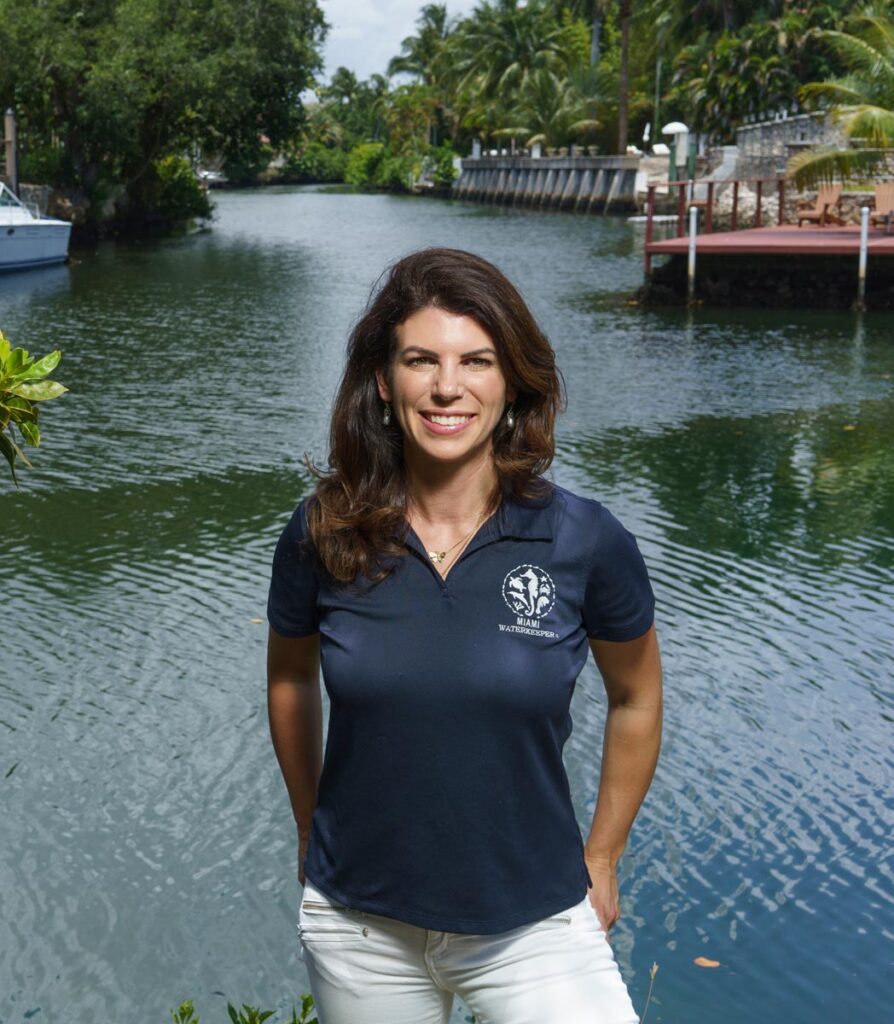
Since becoming executive director of Miami Waterkeeper in 2014, Rachel Silverstein has emerged as one of South Florida’s leading voices for clean water, combining marine science, environmental advocacy, and legal action to protect Biscayne Bay and beyond. Her leadership—from successfully suing the federal government to rescuing thousands of corals during the PortMiami expansion—has helped ensure our waters remain swimmable, drinkable, and fishable.
With a PhD in marine biology and fisheries from the University of Miami, Silverstein has earned national recognition for her advocacy, including the prestigious global Elevate Prize and the Florida Wildlife Federation’s Water Conservationist of the Year award. Whether navigating Capitol Hill or the local mangroves, she remains a driving force in preserving the vibrant ecosystem that defines our coastal lifestyle.
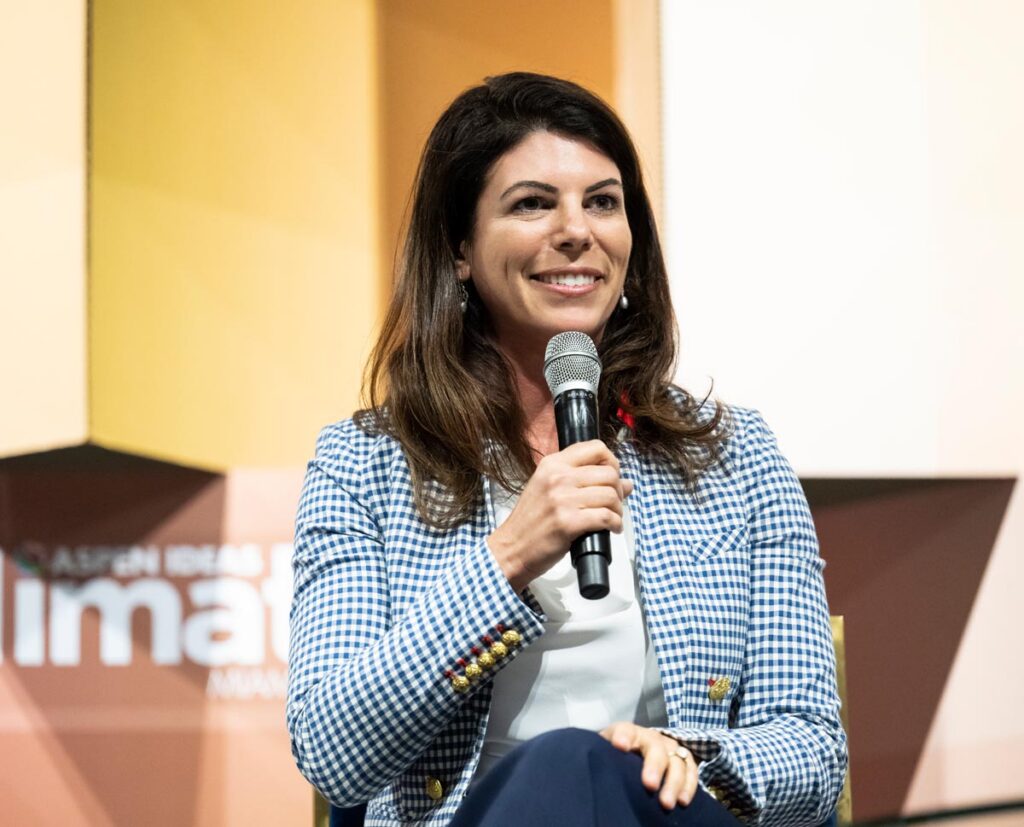
Aventura: What is the role of water quality testing in your work? How do you share the results publicly?
Silverstein: Miami Waterkeeper conducts weekly water quality sampling at sites around Biscayne Bay following the protocols of the Florida Department of Health’s (DOH) Healthy Beaches Program. We test for fecal indicator bacteria (FIB), which are commonly associated with wastewater and used as a proxy for safe swimming. We then publish these results (as well as DOH’s and the Surfrider Foundation’s) on the Swim Guide app for the public to access. This website and app will help you to identify which beaches are safe for swimming, represented in green, and which have current water quality problems, represented in red. You can also see this data on our social media posts.
What are some ways the community can get involved in safeguarding our waterways?
We have volunteer events almost every weekend, from cleanups to restoration events. We have our Junior Ambassador program, offered free to students in grades 9 through 12, to gain an understanding of issues impacting Biscayne Bay. In the yearlong program, students receive training in civic engagement and advocacy, improve their public speaking abilities, and participate in interactive volunteer events ranging from beach cleanups and dune restoration efforts to tabling at environmental fairs. We recently started a version of the program for adults as well. Also, our 1000 Eyes on the Water program works to develop a community well versed in pollution issue spotting, training individuals to observe, document, and report pollution. There’s free online training, or you can come to one of our events that cover the training live.
South Florida is home to massive, rapidly expanding cities that sit alongside some of the country’s most delicate ecosystems. What do you see as the balance to this tension?
I have a deep passion and love for South Florida’s ecosystem—its uniqueness, beauty, biodiversity, and the way it interacts with this large, growing metropolitan center in its backyard. Nature is woven into everyday life here, even in urban settings. Fostering that, appreciating it, and allowing nature a place to thrive benefits all of us. But we can’t take our clean water for granted. We have to make investments, both personally and as a community, to preserve it.








Facebook Comments