


One color can do it all—if you let it. This striking design approach carries a single hue from wall to ceiling, creating a cohesive, high-impact atmosphere that feels both modern and intentional. Here’s how to apply it at home.
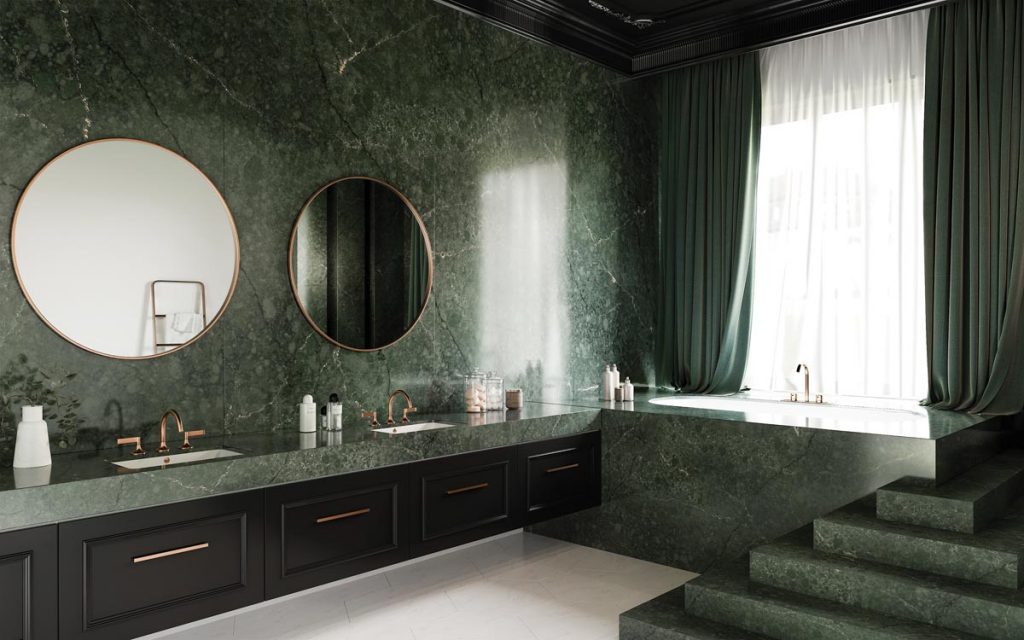
Add Depth
The secret to a truly dynamic monochrome space lies in the finish. Keep the color consistent but vary the sheen—opt for matte or flat on walls and ceilings, then introduce satin or semi-gloss on trim, doors, and baseboards. The subtle shift catches the light and adds dimension. Emphasize architectural details like crown molding or applied trim by using a different sheen in the same color to create a subtle yet dramatic effect.
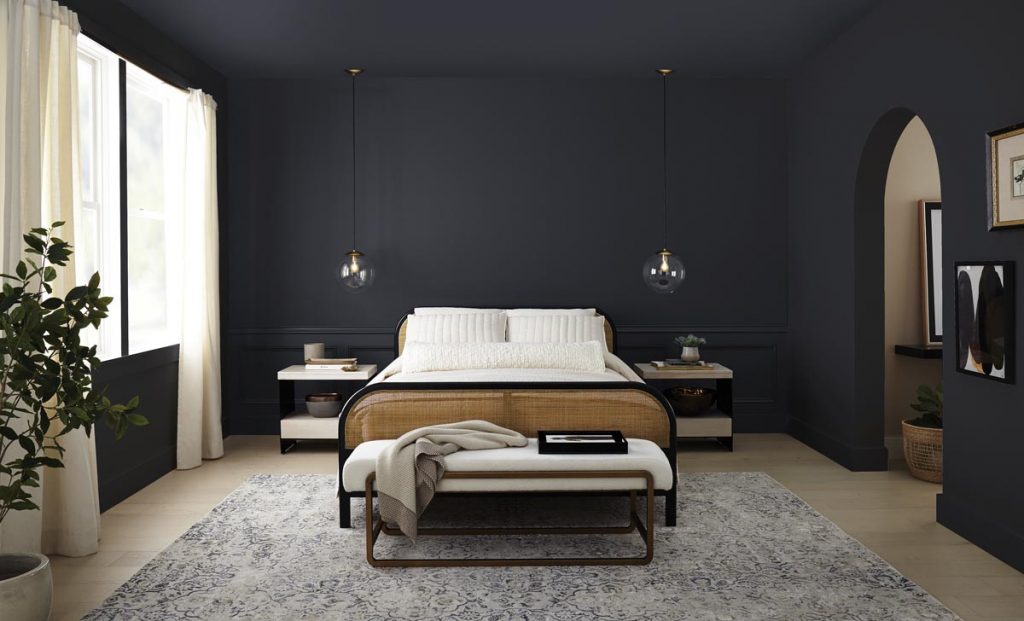
Accent With Furnishings
Take the palette beyond paint by extending the hue into built-ins like bookcases, fireplaces, or shelving. From there, layer in furnishings—pillows, upholstery, rugs, accessories—in tonal variations of the same color family. The result feels curated rather than matchy. Planning these elements in advance will help you land on the perfect shade from the start and ensure an intentional finish.
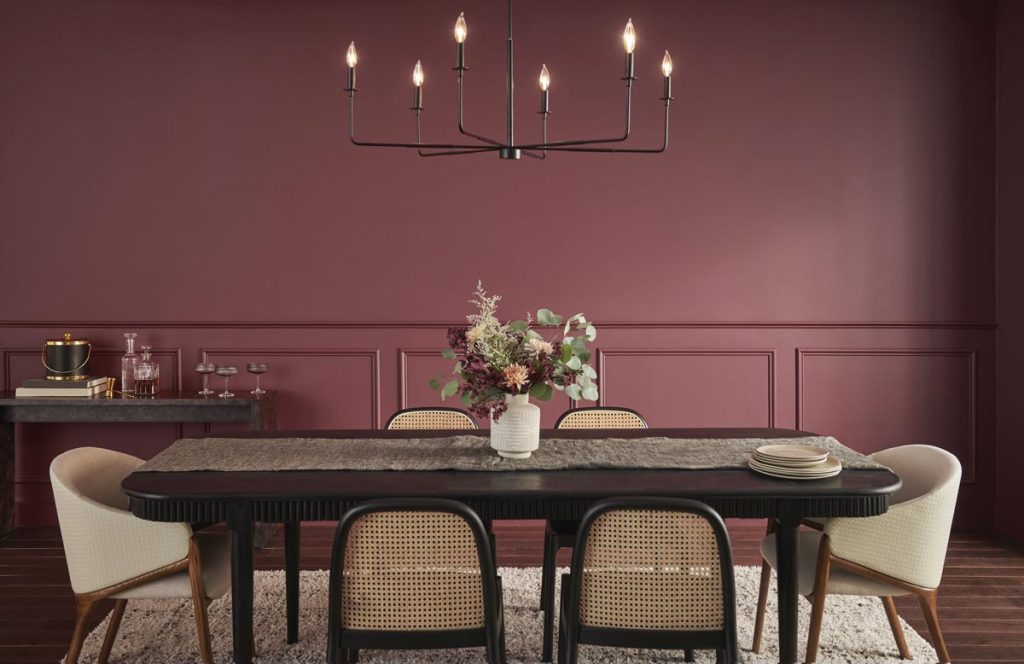
Light It Up
Lighting is everything—especially with deeper, more saturated tones that naturally absorb light. Balance the space with a thoughtful mix of ambient, task, and accent lighting to keep it feeling warm and inviting. Soft, warm bulbs can mellow the intensity, while chandeliers or strategically placed floor lamps add dimension and prevent the room from feeling flat.
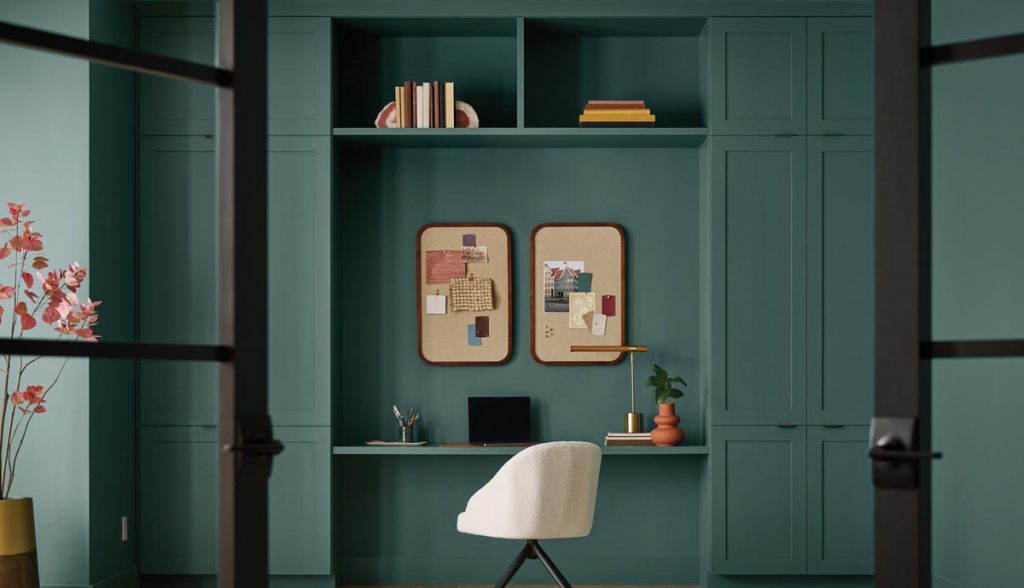
Start Small
The easiest way to experiment with color drenching is in smaller, well-defined spaces. Think powder rooms, bedrooms, or dens. The effect thrives in areas enclosed by four walls or in semi-contained spaces like a formal dining room. In open floor plans, it can be harder to create a natural stopping point, making the look feel less intentional.









Facebook Comments